
Design Thinking is a methodology course where the students are presented with methods, tools, and processes for being able to develop user-centred innovative solutions.
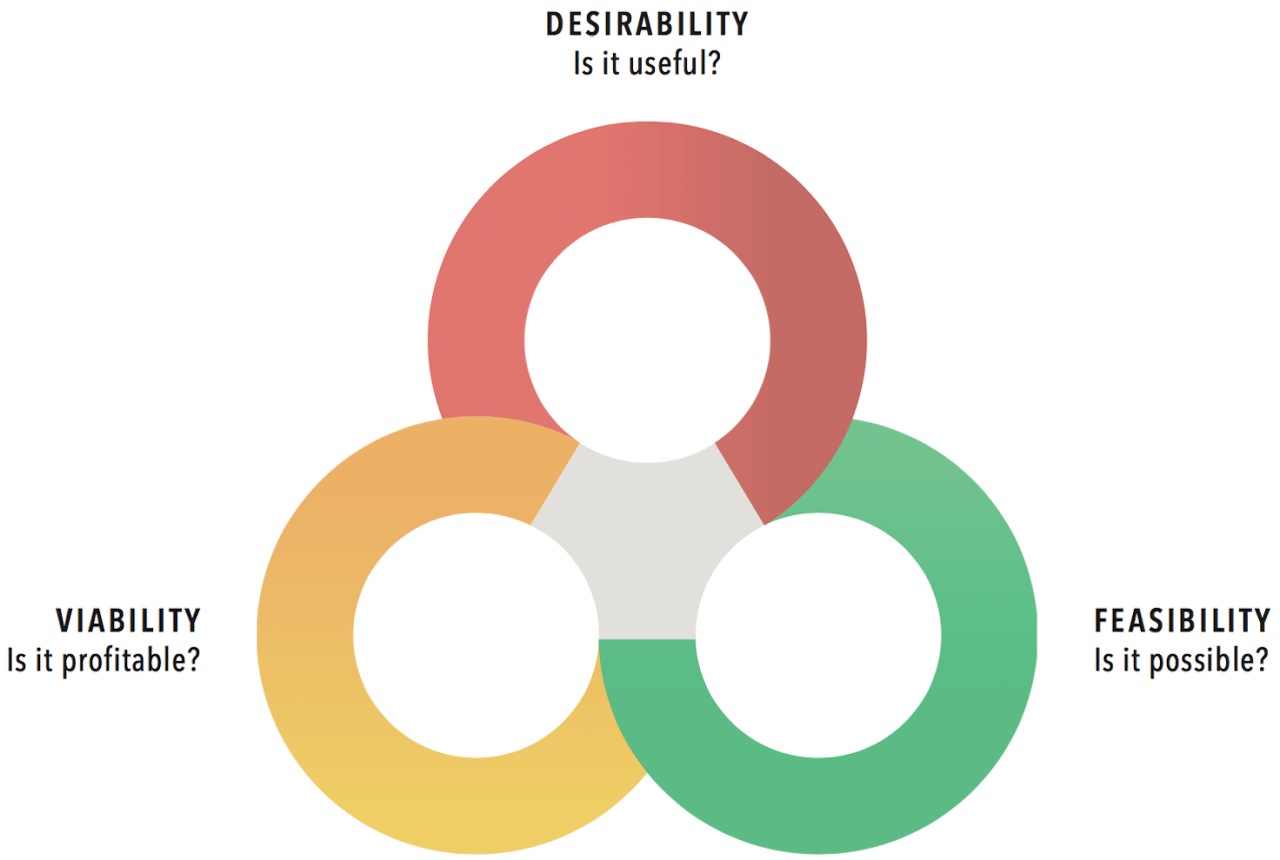
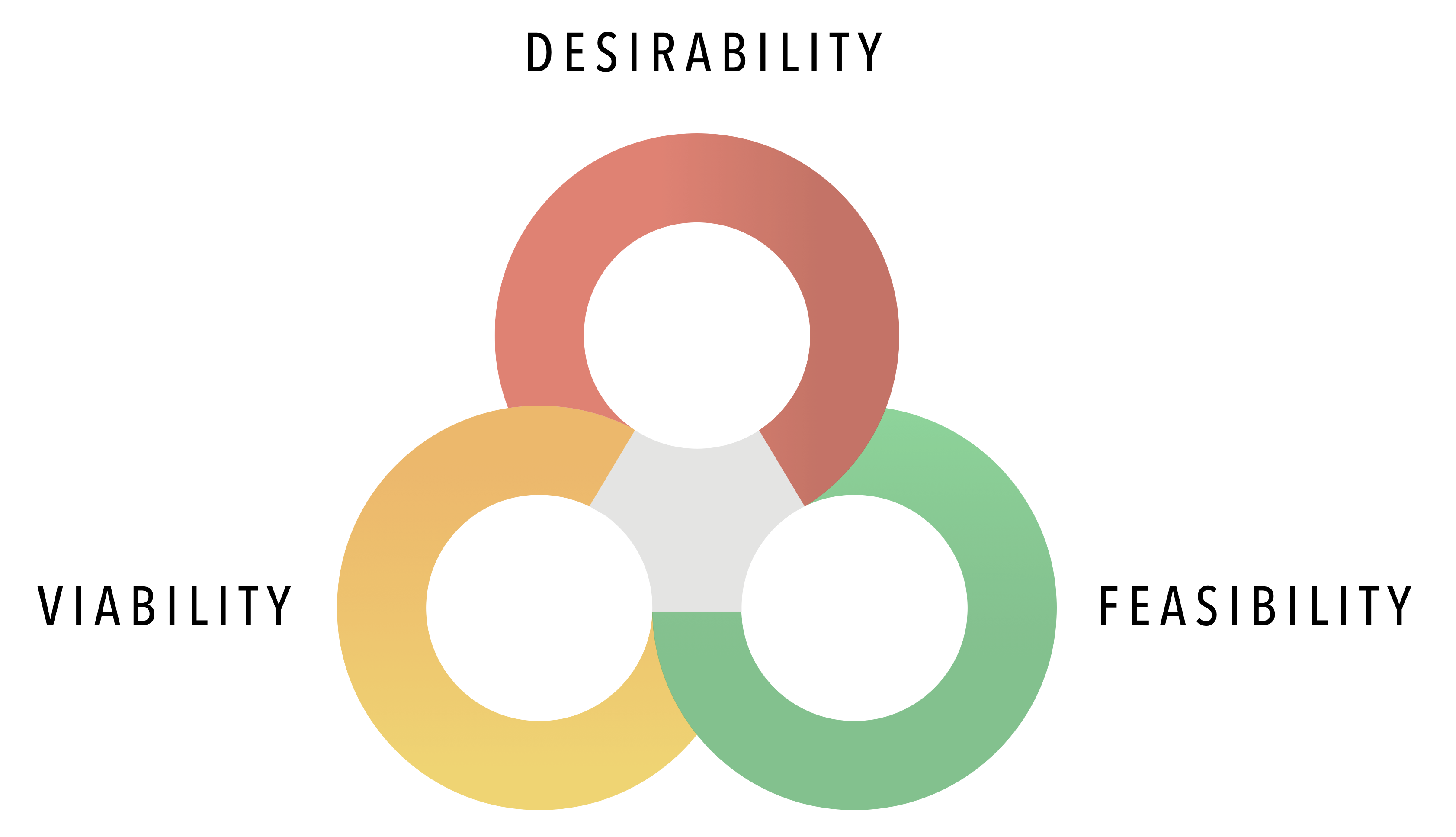
Design Thinking is about merging user benefits, technical feasibility and commercial viability in a sustainable business offer. It is a methodology where all technical and business-focused innovation activities are permeated by a human-centered design philosophy. The course covers design and development of new products (i.e., products and services) and new (technical and organizational) processes, with focus on methods, tools, and strategies for the early phases of the innovation process.
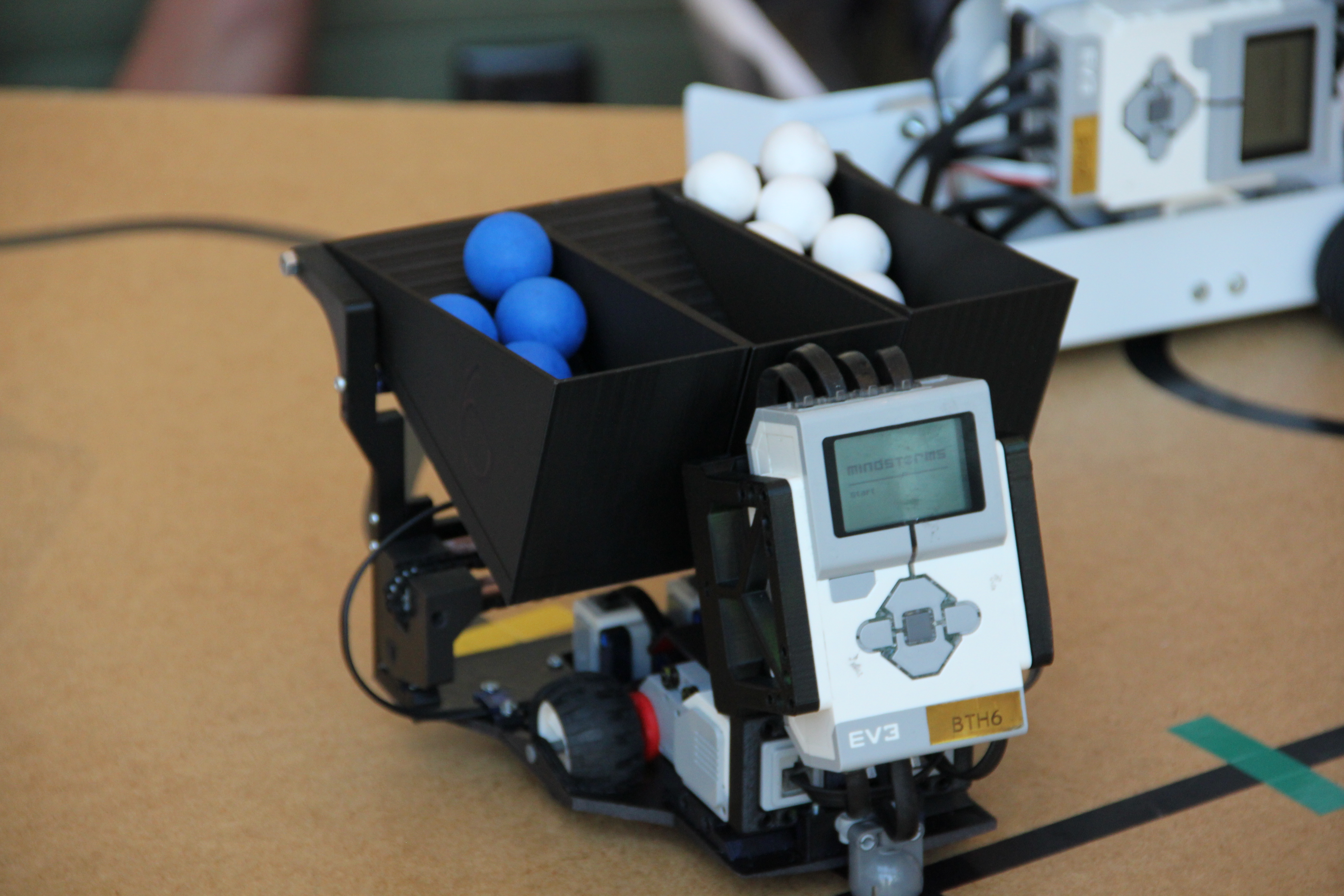
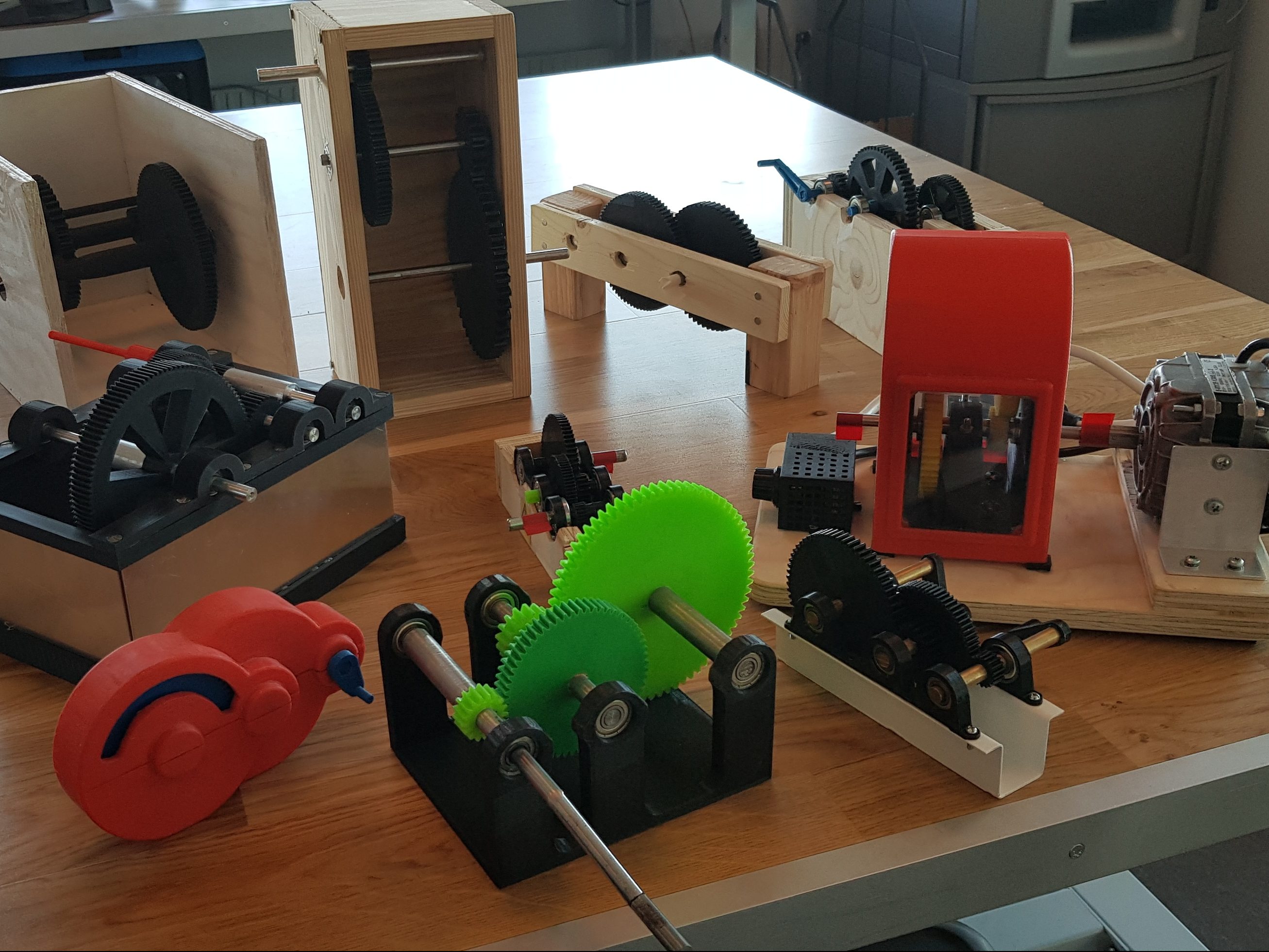


Course project news
 2024Docking solution for Cstrider
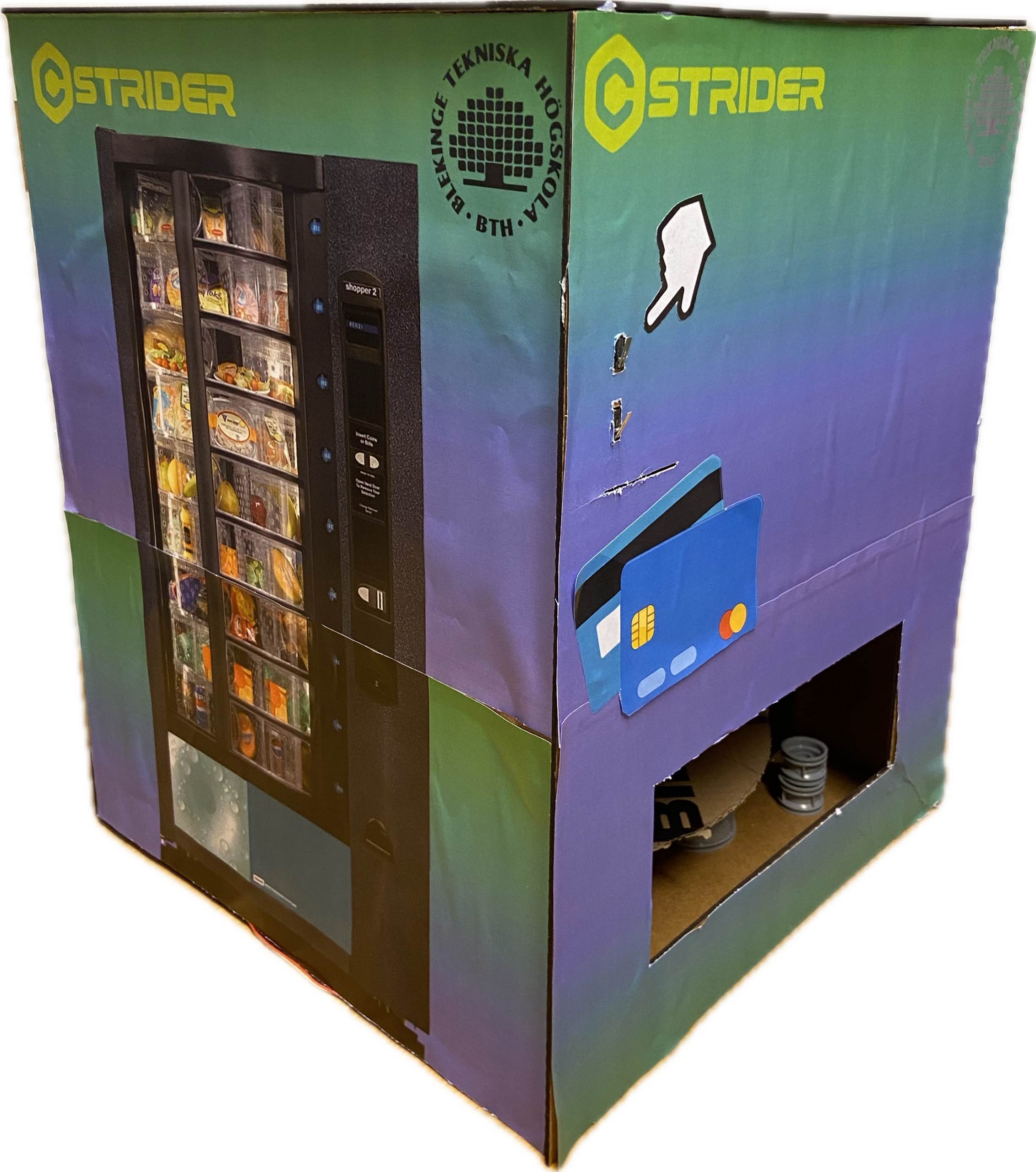 2024Vending Machine
 2023Mushroom pods
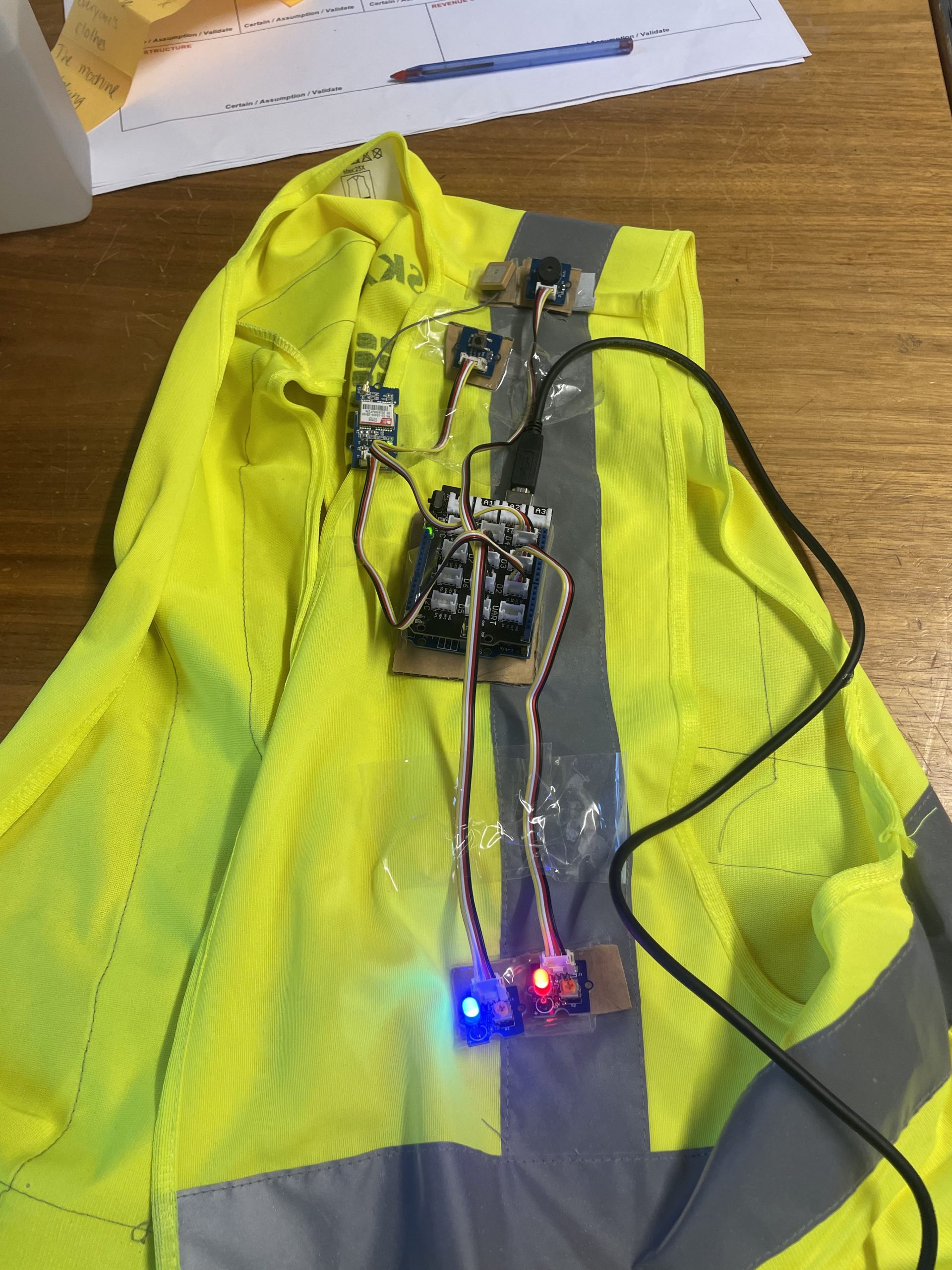 2023Awareness-vest
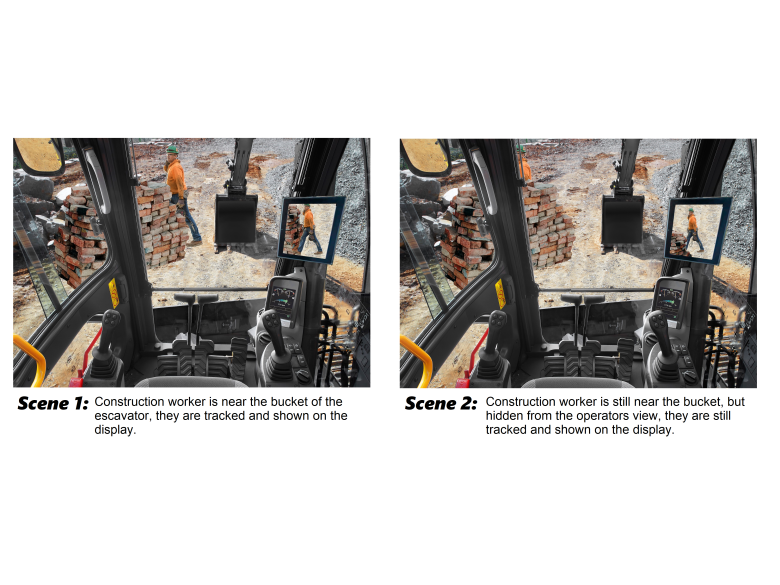 2023Clairvoyance Orb
 2023ViSafety
 2023Haptic belt
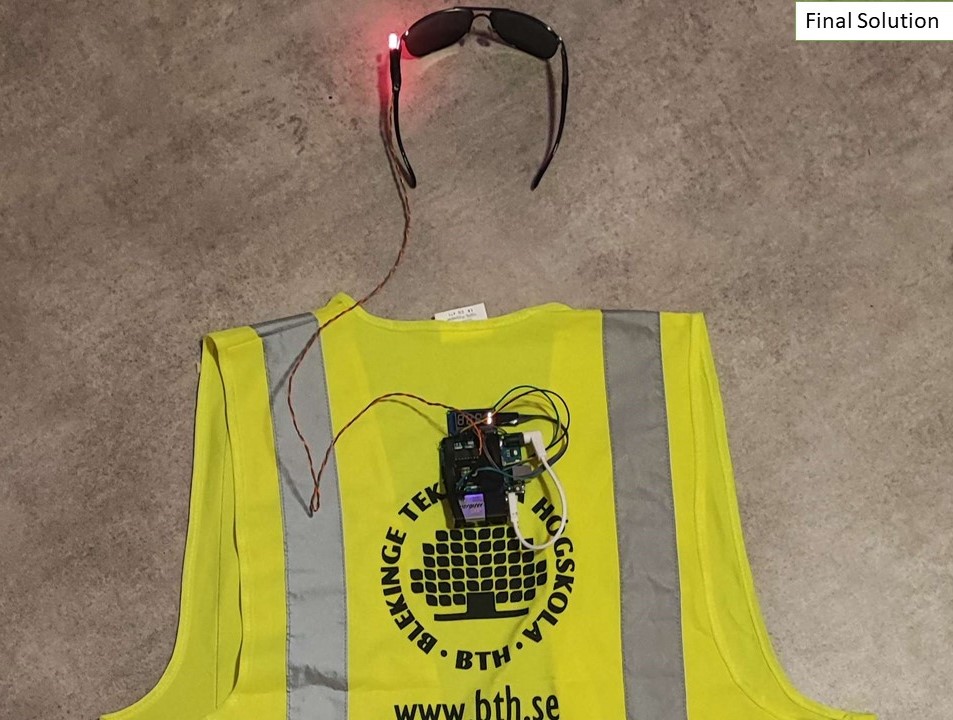 2023Posture detector
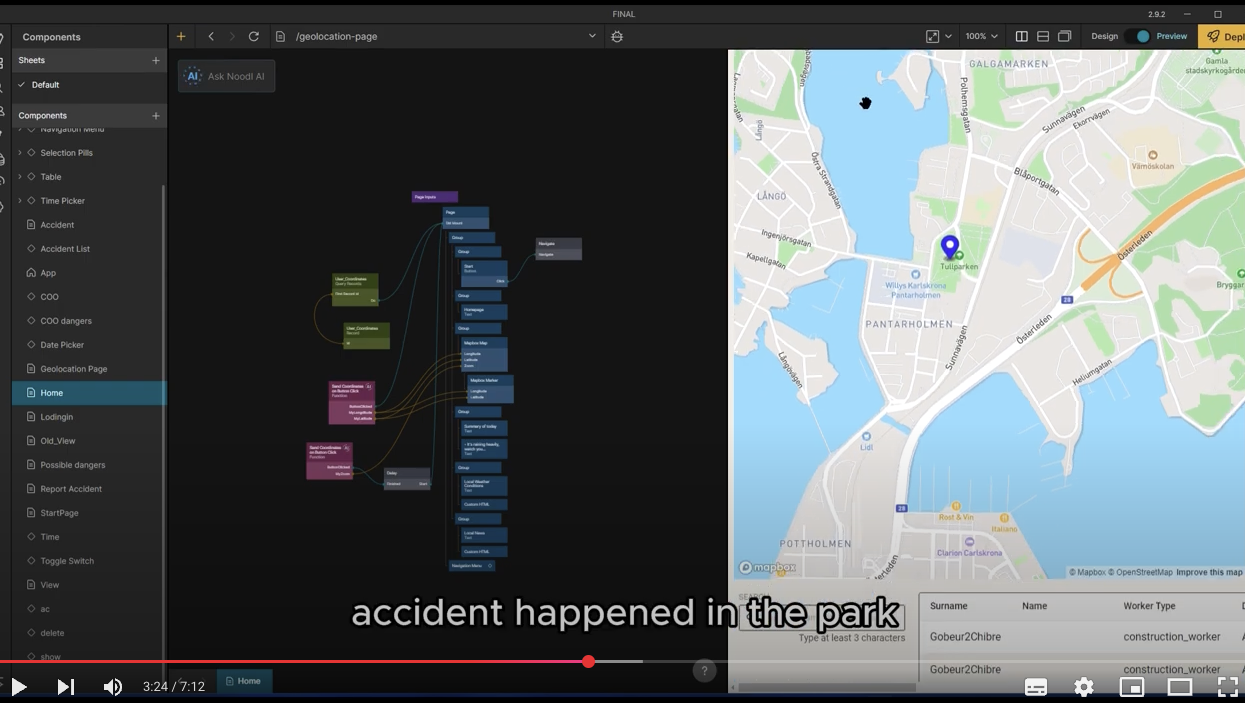 2023Digital Hardhat
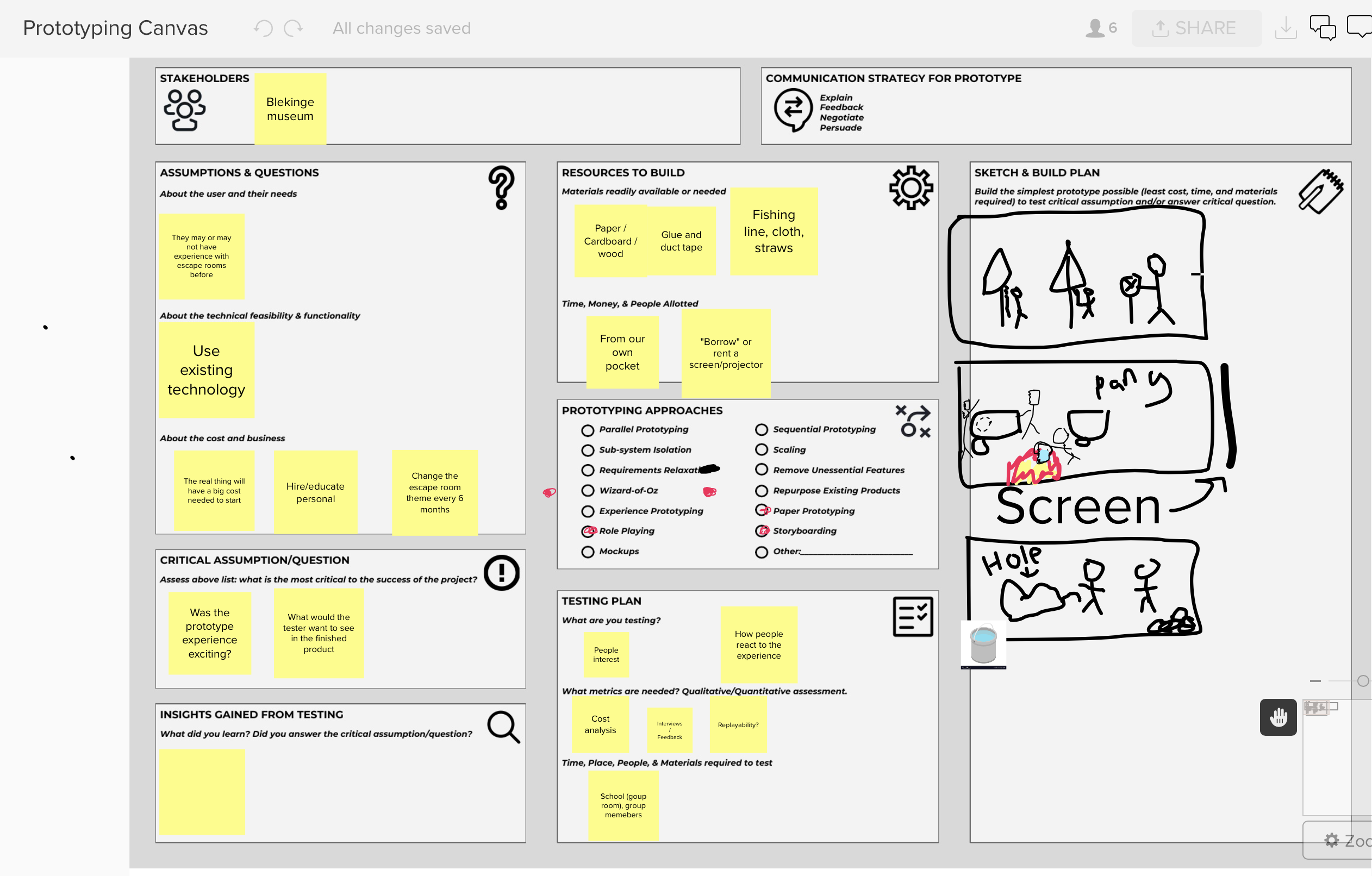 2020How not Tolouse
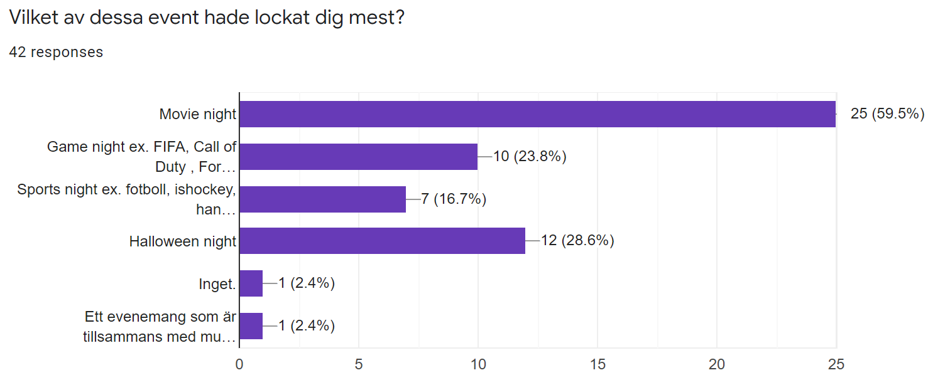 2020Attractive Museum
About Design Thinking
Company participation in Design Thinking
Companies are invited to present challenge topics for the students to apply their engineering skills using a Design Thinking process. By providing open-ended challenges for a team of students to work on, companies will have access to prototypes and visualizations of what might be future product/service offerings, aimed at defined user-bases.
The idea is that the product development projects of the course should be clearly anchored in close cooperation with industrial companies or with real societal needs, so it is important to develop good project ideas to work with partner companies.
The work is performed in project teams with tutor support from both industry and academia. The collaboration provides benefits for both students and industry partners:
- Students get to learn the innovation process and accompanying tools by applying them in real situations.
- Industrial partners gain access to innovative thinking and methods, conducted by well-trained students, and supported by coaches, who are not limited by traditional working patterns.
Course duration
Each year, roughly from 1 September to 31 October.
When to submit proposals
To fit new projects proposals with the start of the fall semester, it is recommended to submit project proposals preferably in due course before the summer vacations, but no later than end of August.
Contact person
Christian Johansson Askling, course responsible
Email: cmj@bth.se
Telephone: +46-455-385576
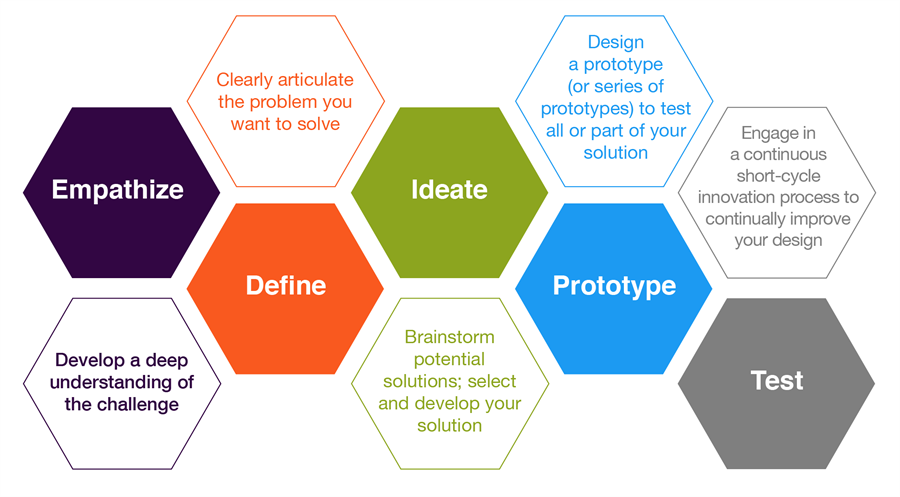
The aim of the course is to allow the student to gain insights and skills in how to create both technical and social innovations. The course deals with the design and development of new products (both goods and services) and new (technical and organizational) processes, with particular focus on methods, tools, and strategies for the early stages of the innovation process.
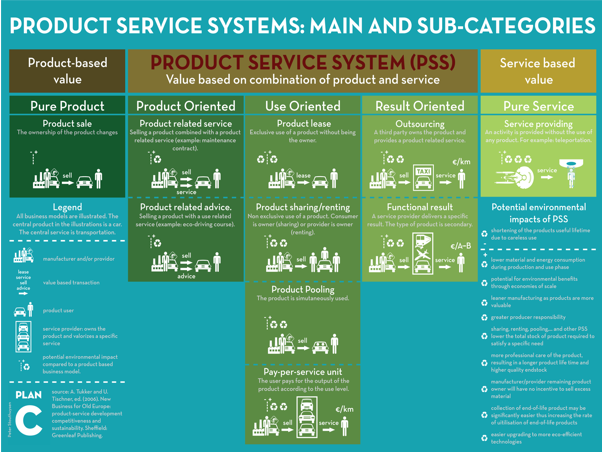
The course is based on a Design Thinking process – a process for managing complex issues and contexts where the designer pair human needs with feasible solutions in a market-based offering – that includes lectures and exercises related to theories of design processes and methods within design and innovation. Students will actively search for and analyze users’ needs to then develop ideas, concepts, and detail solutions to match those needs. Being able to combine profitability, feasibility, and desirability in a total offer is of crucial importance to PSS.
Design Thinking is a human centered approach where needfinding is at the core.
Design Thinking is about giving the student insight and ability to match people’s wishes and needs with what is technically feasible in a vigorous business offer for increased customer value and market opportunities. It is a method and approach that provides and develops tools to penetrate all innovation activities with a human-centered design philosophy.
Course formalities
Course Purpose
The course is based on a process of design thinking – an approach to deal with complex issues and contexts in which the designer matches insights about the needs of people with feasible solutions in a sustainable and competitive market offering. The purpose of the course is that the participant should obtain very good knowledge and skills in the development of both technical and social innovations, and how they are organized into generic and customized development processes.
Participants will gain knowledge and skills in project management, needfinding, ideation, concept design, prototyping, and development of business models to ensure the creation of value offers. With these experiences, skills, and knowledge, participants will gain a good position to be attractive to employers.
Course Contents
The course content is based on a mix of project – which gives participants the opportunity to experience the design process – and lectures – which is characterized by a mixture of short theory review (of methods, tools, and strategies for design and innovation) and active work in different group constellations.
The course addresses topics such as:
- Design Thinking criteria (desirability, feasibility, viability)
- Development processes
- What is Innovation?
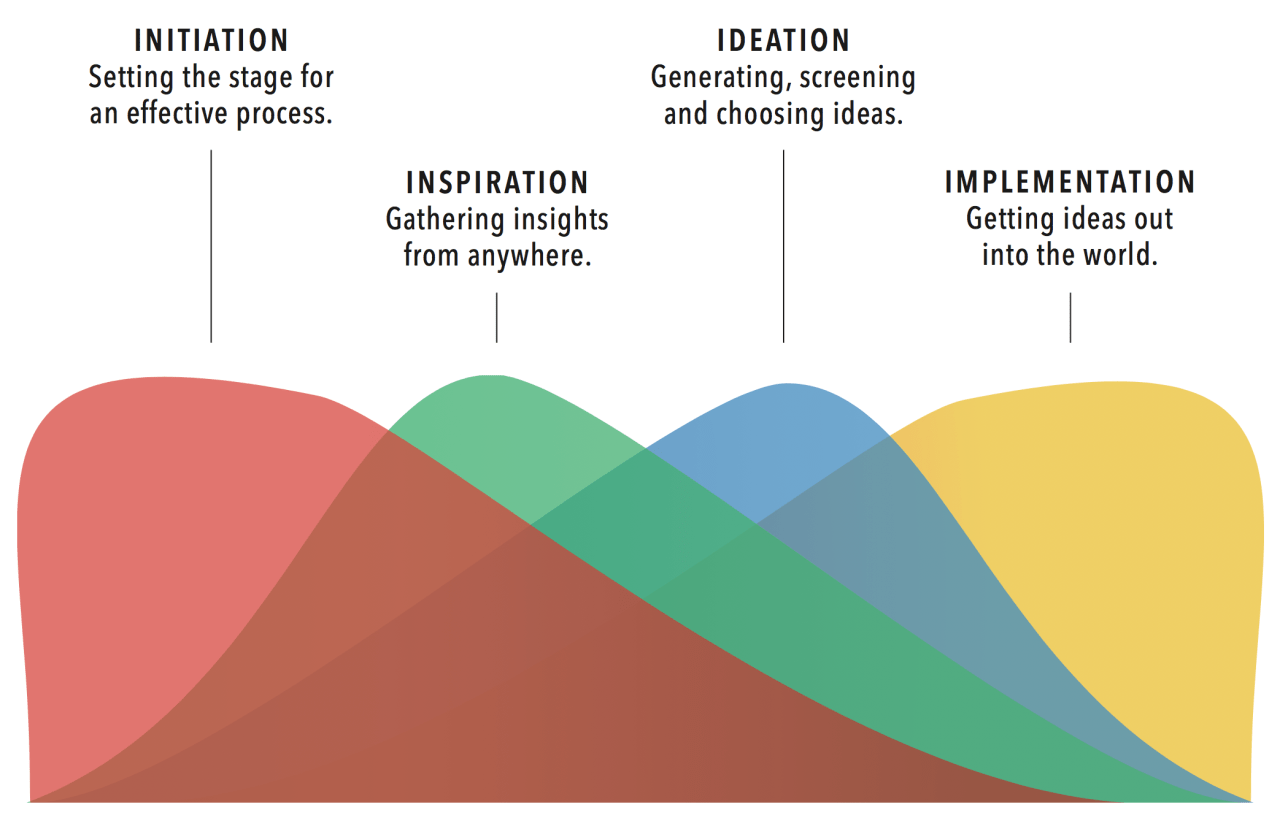
- Innovation Process (Initiation, Inspiration, Ideation, Implementation)
- Needfinding
- Benchmarking, trend watching, and tech watching
- Ideation
- Concept design
- Prototyping and prototype development
- Value proposition
Aims & Learning Outcomes
On completion of the course, the student will be able to:
- describe and analyse how development of new products (hardware and services) and new processes are organized.
- describe and relate to key dimensions and characteristics of a generic design thinking process.
- identify and apply appropriate methods and approaches in each dimension of the process.
- describe and reflect on how innovations (e.g., products and/or services) are developed.
- explore and analyse needs, trends and technologies.
- create and analyse ideas for how to address the identified needs.
- generate and analyse conceptual solution proposals.
- critically, independently, and creatively identify and generate framing of innovation projects
- plan and perform a team-based design project
- verbally and in writing argue for and reflect on their findings and conclusions, in dialogue with other students.
Learning & Teaching
The course focuses on providing participants knowledge and skills to plan, proceed with and critically assess development project of innovation. Through lectures, exercises, individual work, participation in joint exercises, and reflection on experiences and learning, the student creates an understanding of design thinking as a methodology and approach for innovation development. The course focuses on problem-based learning, where participants’ active participation and reflections, both in teams and individually, is key to good learning. Participants carry out project work and assignments in teams, and share their experiences and lessons learned through written documentation, group work, and presentations. Participants will also present and reflect on their learning individually. Techniques for peer evaluation and group coaching (feed forward) is used throughout the course to ensure critical reflection regarding the process and the results.
The course will be provided in English.
Course literature
The course is based on theoretical and working materials that is referred to as a ‘workbook’, which are distributed to students during the course.
- Lewrick, M., Link, P., Leifer, L. (2018) The Design Thinking Playbook : mindful digital transformation of teams, products, services, businesses and exosystems. Wiley. ISBN 978-1-119-46747-2
Reference literature:
- Furr, N. & Dyer, J. (2014), The Innovator’s Method: Bringing the Lean Startup into Your Organization, Harvard Business Review Press, ISBN: 978-1-62527-146-4.
- Dyer, J., Gregersen, H. & Christensen, C.M. (2011), The Innovator’s DNA: Mastering the Five Skills of Disruptive Innovators, Harvard Business Review Press, ISBN: 978-1-4221-3481-8.
- Brown, T. (2009), Change By Design: How Design Thinking Transforms Organizations and Inspires Innovation, Harper Business, ISBN: 978-0061766084.
- Kelley, T. & Littman, J. (2001), The Art of Innovation: Lessons in Creativity from IDEO, America’s Leading Desing Firm, Doubleday, ISBN: 0-385-49984-1
Scientific articles and industrial case studies are distributed during the course.
Course examiner
Assistant Professor Christian Johansson Askling
Finalized projects
2024Docking solution for Cstrider2024Vending Machine2023Mushroom pods2023Awareness-vest2023Clairvoyance Orb2023ViSafety2023Haptic belt2023Posture detector2023Digital Hardhat2020How not Tolouse2020Attractive Museum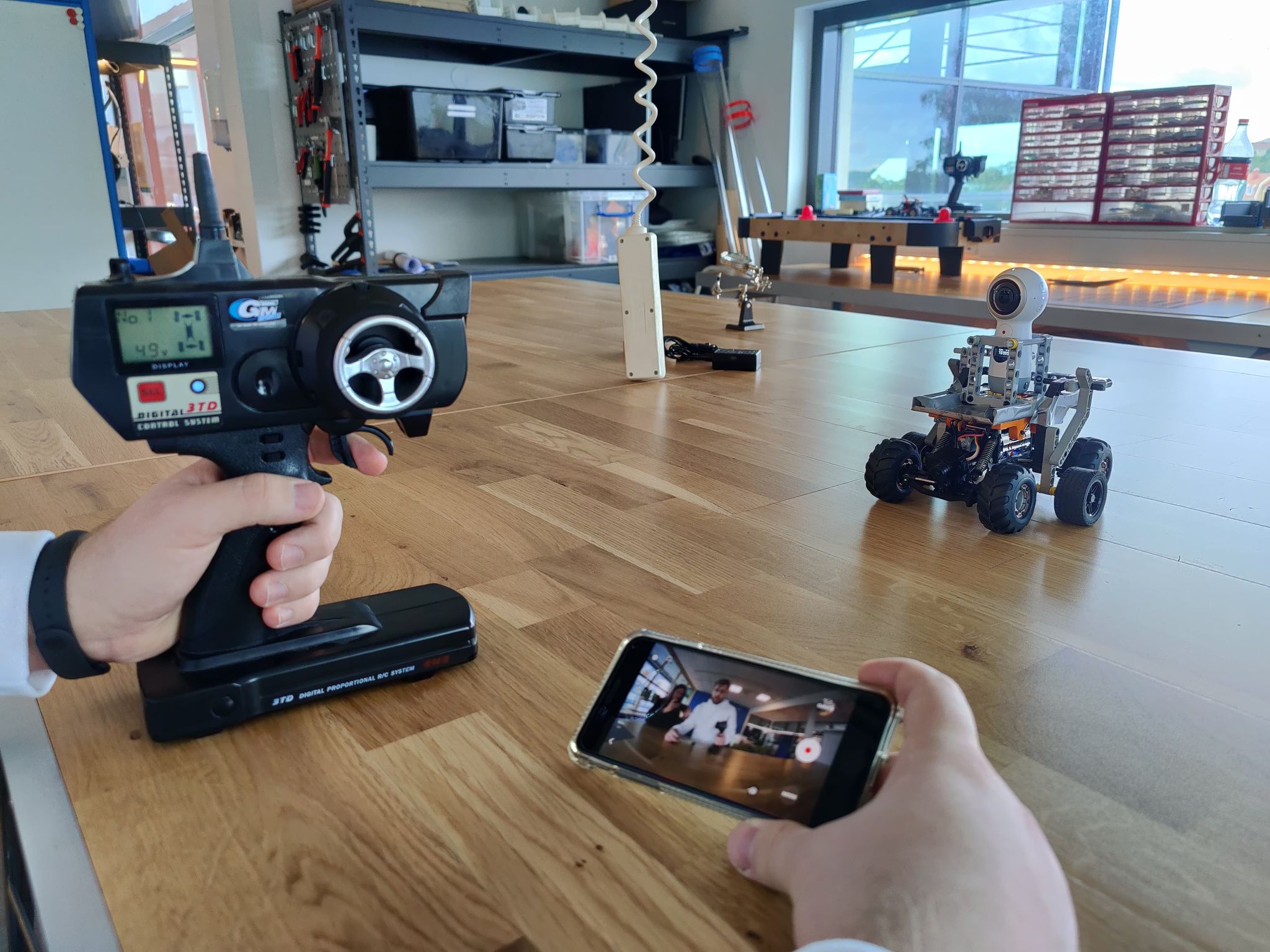 2020The Running Koala
More articles about Extreme PSS Innovation can be found here.
Course partners












Contact

Christian Johansson Askling
Programme responsible
Christian Johansson Askling
Department of Mechanical Engineering, Room J3417
+46 (0) 455-385576